Understanding the Importance of Moisture in Pet Foods
By: Tom Cameron, DVM

By: Tom Cameron, DVM
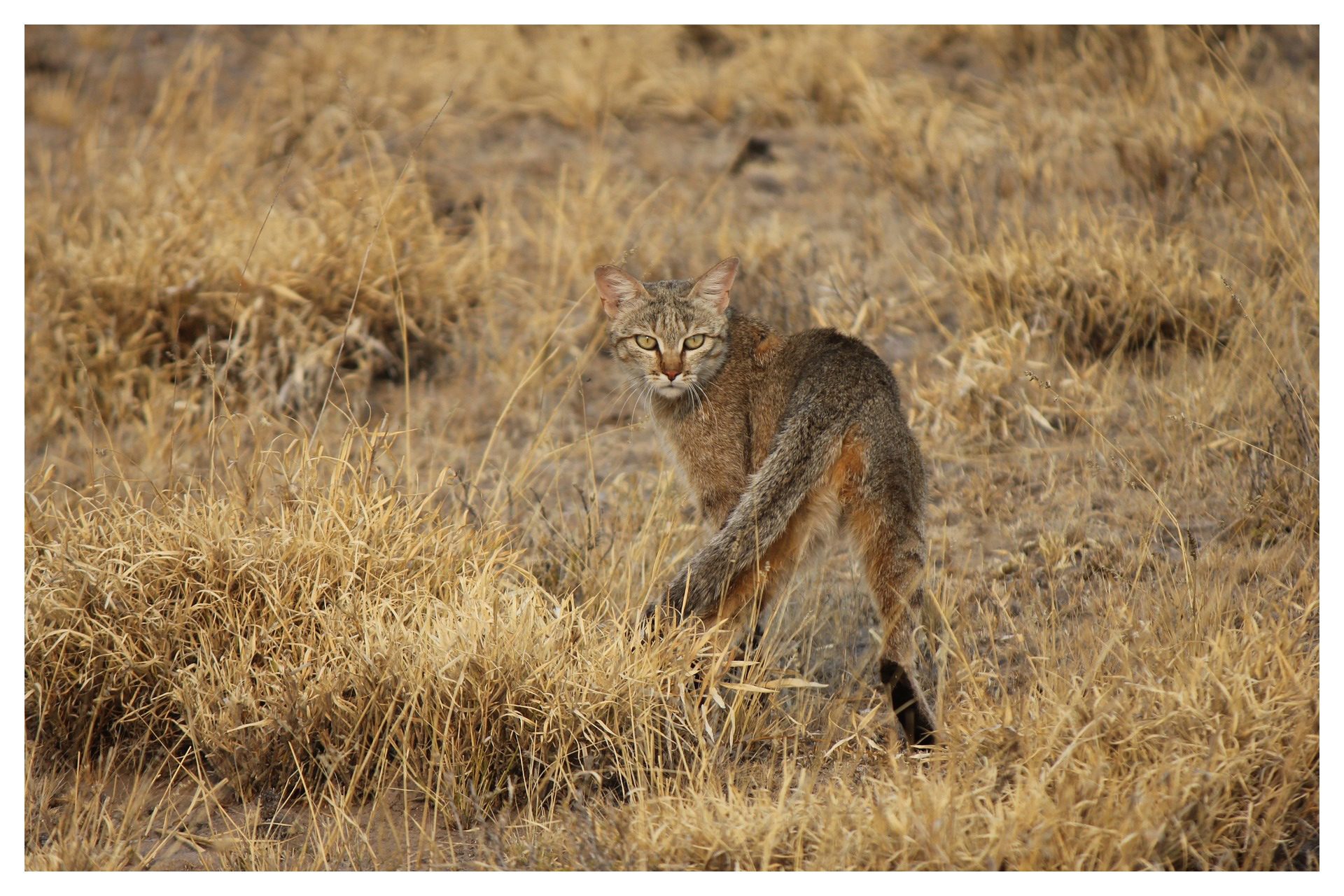
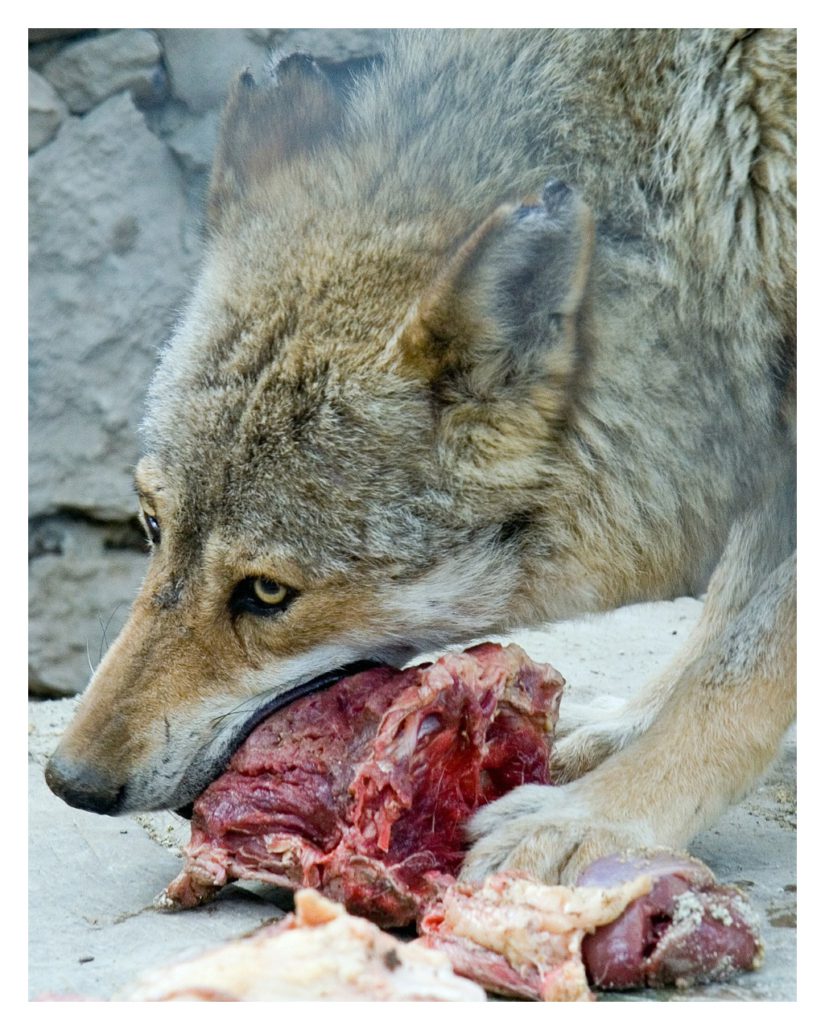
Most cats evolved in desert climates, where water was scarce. Cats don’t naturally drink a lot of water, even when dehydrated. As strict carnivores, they always got most of their water from their food – they are genetically programmed this way. I’ll repeat: foods carnivores eat are 60-75% water.
About 100 years ago, dry, kibble pet foods were created. Kibble is a mixture of meat, grains and other ingredients, heated and formed into dry, crunchy pieces. Dry foods are currently the most popular way to feed dogs and cats – in 2015, pet owners spent $3.8 billion dollars on dry pet foods! Dry foods are 5-10% moisture. Did you get that? 5-10% moisture. This is less than 1/10th the moisture content of fresh meat – a huge change in how cats and dogs used to eat. How would your car function on 1/10th the fluids it was meant to have? Imagine eating regular meals of beef jerky and granola.
Is kibble alone the best food for cats and dogs? NO. Could feeding only dry food be causing health problems? YES!!
Here are some problems with feeding only dry foods:
Remember that a carnivorous diet is a high-moisture diet, 60-75% water. Cats and dogs are genetically built to do best on high-moisture foods, like canned and raw meats, vegetables and fruits. These foods are easier to digest, and increase the amounts of water taken in every day. As high-moisture foods, they match cat and dog’s natural need for high quality protein and fat, low carbohydrate levels, and most importantly, plenty of water.