How Much Should I Feed My Dog?
A Complete Guide to Diet & Weight Loss

Determining how much food your dog needs is one of the most important—yet often confusing—responsibilities of pet ownership. Whether you’re concerned about your dog maintaining a healthy weight or addressing existing weight issues, understanding the right portion size is crucial for their overall health and longevity. This guide will help you navigate the complexities of canine nutrition and create a feeding plan tailored to your dog’s unique needs.
Understanding Your Dog’s Nutritional Needs
Dogs, like humans, have individual nutritional requirements influenced by several factors:
- Age: Puppies need more calories per pound than adult dogs to support growth, while senior dogs typically require fewer calories as their metabolism slows.
- Breed: Some breeds have higher energy needs than others. Working breeds tend to burn more calories than more sedentary breeds.
- Activity Level: An active dog needs more calories than a dog whose main exercise is walking to the food bowl.
- Reproductive Status: Pregnant or nursing dogs require more caloriesHealth Status: Dogs with certain medical conditions may require special dietary considerations.
How Many Calories Should a Dog Eat?
The average adult dog requires about 25-30 calories per pound of body weight daily to maintain their current weight. However, this is just a starting point and may need adjustment based on the factors mentioned above. Dogs with higher activity levels naturally require more calories, with working dogs potentially needing two to three times the calories of a sedentary pet.
It’s important to remember that these are general guidelines—your individual dog’s needs may vary significantly based on their specific circumstances, health conditions, and genetic factors. Regular monitoring and adjustment are essential parts of finding the right caloric intake for your particular dog.
How Much Dog Food Should I Feed My Dog?
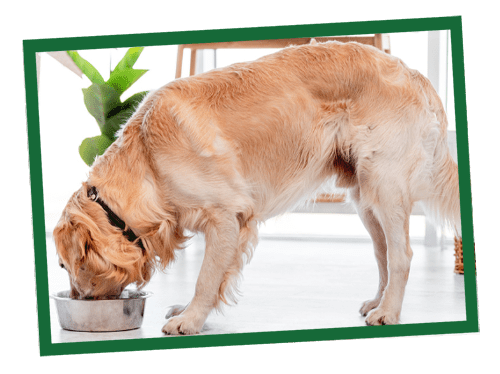
Once you know how many calories your dog needs, check the calorie content on your dog food package. Most quality pet foods list calories per cup or per can.
For example, if your dog needs 1,000 calories daily and your dry food contains 350 calories per cup, you would feed approximately 2.85 cups spread across multiple meals.
Remember that treats count too! The 90/10 rule is helpful here—90% of calories should come from balanced dog food, with no more than 10% from treats.
Signs Your Dog Is Getting the Right Amount of Food
Beyond the scale, observe these indicators:
- Body Condition: You should be able to feel (but not see) your dog’s ribs, and they should have a visible waist when viewed from above.
- Energy Levels: Consistent, appropriate energy for their age and breed.
- Stool Quality: Firm, formed stools indicate proper digestion.
- Coat Condition: A shiny coat often reflects proper nutrition (according to VCA Animal Hospitals)
Dog Diets for Weight Loss
If your veterinarian has determined that your dog needs to lose weight, don’t immediately cut their portions drastically. Sudden calorie restriction can lead to nutritional deficiencies and metabolic issues.
Instead, aim for gradual weight loss of 1-2% of body weight per week by:
- Reducing calories by 20-25% from maintenance needs
- Increasing protein content to help maintain muscle mass
- Splitting meals into smaller, more frequent feedings
- Increasing exercise gradually to burn more calories
For example, if your 70-pound dog should ideally weigh 60 pounds, don’t immediately cut to the calorie level for a 60-pound dog. Work with your veterinarian to create a safe reduction plan.
Common Feeding Mistakes to Avoid
Even well-intentioned pet parents make these common errors:
- Free-feeding: Leaving food out all day makes it impossible to track how much your dog is eating.
- Eyeballing portions: Without measuring, you’ll likely overfeed. Use a dedicated measuring cup or scale.
- Falling for begging: Those pleading eyes don’t mean hunger—they mean your dog has learned that begging works!
- Inconsistent feeding schedule: Regular meal times help regulate digestion and prevent overeating.
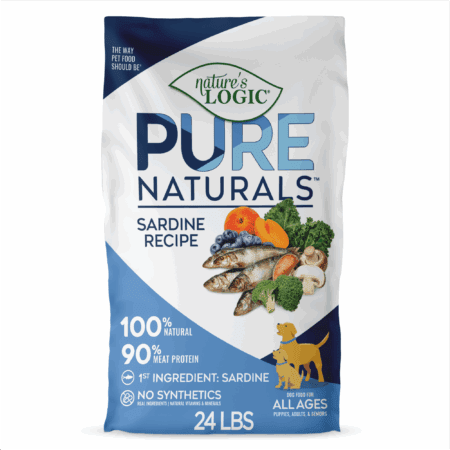
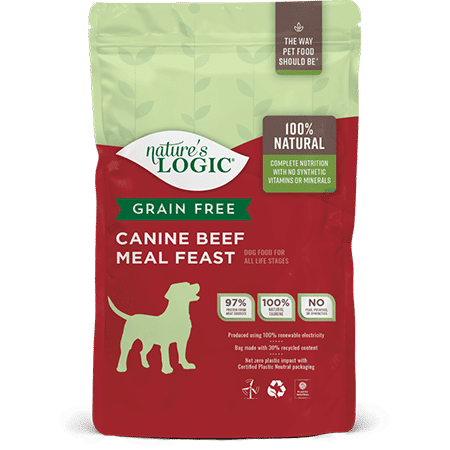
- Ignoring food quality: Lower-quality foods may require larger portions to meet nutritional needs, potentially leading to weight gain. Nature’s Logic dog food is 100% natural with no synthetic vitamins or minerals, meaning all the nutrition comes directly from wholesome ingredients
When to Adjust Your Dog’s Food Intake
Regular reassessment is key. Consider adjusting portions when:
- Your dog gains or loses weight unexpectedly
- Activity levels change significantly (seasonal changes, injury recovery)
- After spaying or neutering
- As your dog ages and metabolism changes
- During times of stress or illness (consult your veterinarian first)
Remember that nutrition is not one-size-fits-all, and the “perfect” amount of food for your dog may change throughout their life. Regular check-ups with your veterinarian can help ensure your feeding plan continues to meet your dog’s needs.
By paying careful attention to portion sizes, monitoring body condition, and adjusting as needed, you can help your dog maintain an ideal weight and enjoy a longer, healthier life! Find out where you can buy Nature’s Logic dog food near you to ensure proper nutrition for your pet.