Can Dogs Eat Pork?
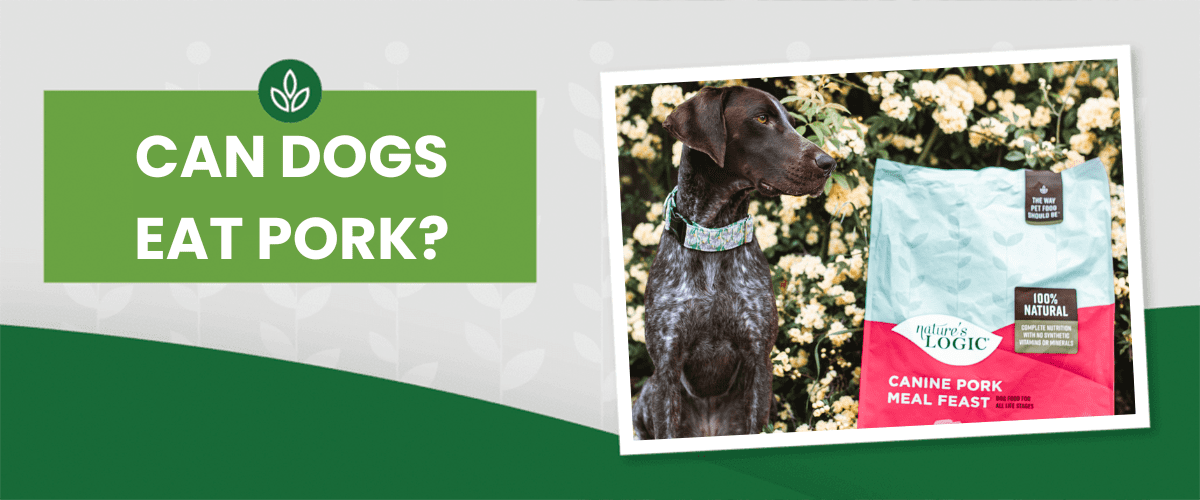
When it comes to feeding our four-legged companions, we want to provide them with the best nutrition possible. While chicken and beef are commonly found in commercial dog foods, many pet parents wonder about pork as an alternative protein source. Is pork good for dogs? Can dogs eat pork safely? What exactly is pork meal in dog food? This guide explores everything you need to know about including pork in your dog’s diet.
Can Dogs Eat Pork? The Basics
Yes, dogs can eat pork, but with important caveats. Pork can be a nutritious addition to your dog’s diet when prepared properly and fed in moderation. Like any protein source, pork offers valuable nutrients that can benefit your dog’s overall health. The safety and nutritional value of pork for your dog depends largely on how it’s prepared, what parts are used, and whether it contains additives or seasonings.
Is Pork Good for Dogs? Nutritional Benefits
When properly prepared, pork offers several nutritional benefits for dogs:
- High-Quality Protein: Pork provides complete protein containing all essential amino acids dogs need for muscle development and maintenance.
- B Vitamins: Pork is rich in thiamine (B1), riboflavin (B2), niacin (B3), vitamin B6, and vitamin B12
- Minerals: Pork contains zinc, iron, phosphorus, and selenium, all of which play important roles in numerous bodily functions
- Alternative for Allergies: For dogs with allergies or sensitivities to more common proteins like chicken or beef, pork can be a suitable alternative protein source.
Potential Risks and Concerns
While pork can be beneficial, there are several important considerations:
- Fat Content: Pork tends to be fattier than chicken and some cuts contain more fat than others.
- Seasonings and Additives: Many human pork preparations include seasonings, spices, or sauces that can be harmful to dogs. Ingredients like garlic, onions, excessive salt, and certain spices can cause digestive upset or even toxicity.
- Raw Concerns: Raw or undercooked pork poses risks of trichinosis, a parasitic infection. Pork should always be thoroughly cooked to an internal temperature of at least 145°F (63°C) before feeding it to your dog.
- Processed Pork Products: Bacon, ham, sausage, and other processed pork products typically contain high levels of salt, preservatives, and sometimes sweeteners like xylitol, which is toxic to dogs. These should be avoided.
What is Pork Meal in Dog Food?
You may have noticed “pork meal” listed in the ingredients of some commercial dog foods. But what exactly is it? Pork meal is a concentrated protein powder made from pork tissues that have had the fat and water removed and then dried and ground. The result is a protein-rich ingredient that contains approximately 300% more protein than fresh pork because of the removal of the water. High-quality pork meal is made from muscle meat and organs, which offer concentrated nutrition in dry dog foods.
How to Safely Feed Pork to Dogs
If you decide to introduce pork into your dog’s diet, follow these guidelines:
Safe Preparation Methods
- Choose Lean Cuts: Opt for leaner cuts like pork loin or tenderloin to minimize fat content.
- Cook Thoroughly: Always cook pork completely to eliminate any risk of parasites or bacteria. Avoid undercooked or raw pork.
- Keep It Plain: Skip the seasonings, spices, marinades, and sauces. Dogs need only plain, cooked meat without any additional ingredients
- Remove Fat and Bones: Trim visible fat before cooking and never feed pork bones, which can splinter
Introducing Pork to Your Dog’s Diet
When trying any new protein, including pork, follow these steps:
- Consult Your Veterinarian: Before making significant changes to your dog’s diet, especially if they have existing health conditions, consult with your veterinarian.
- Start Small: Begin with a very small amount to see how your dog reacts.
- Monitor Closely: Watch for any signs of digestive upset or allergic reactions.
- Gradual Increase: If there are no adverse reactions, you can gradually incorporate pork into their regular diet.
Alternatives to Fresh Pork
If you’re concerned about preparing fresh pork properly or if your dog has a sensitive stomach, consider these alternatives:
- Commercial Dog Foods with Pork: Many high-quality dog foods contain pork as a primary protein source, properly balanced with other nutrients.
- Freeze-Dried Pork Treats: These treats undergo processing that eliminates parasitic concerns while maintaining nutritional value.
- Pork Bone Broth: Similar to turkey bone broth, a natural pork bone broth can add flavor and nutrients to your dog’s regular food without the risks associated with meat pieces.
Can dogs eat pork meat? Yes, when it’s properly prepared. Is pork good for dogs? It can be, especially for dogs with allergies to other protein sources. What is pork meal in dog food? A concentrated protein source that can be nutritionally valuable in high-quality foods.
As with any dietary consideration, the key is moderation, proper preparation, and attention to your individual dog’s needs and reactions. When in doubt, consult with your veterinarian about the best way to incorporate pork into your dog’s diet, especially if they have existing health conditions or dietary sensitivities.
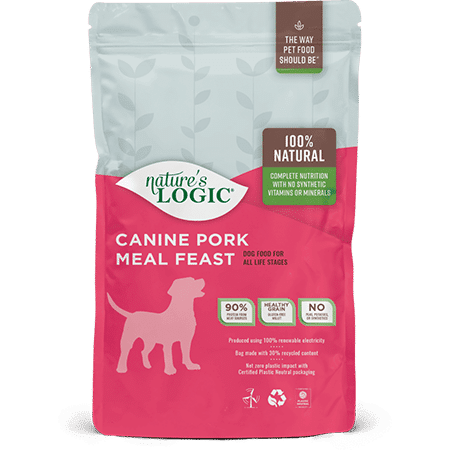
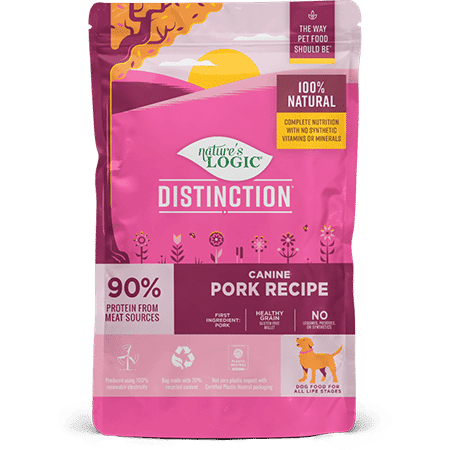
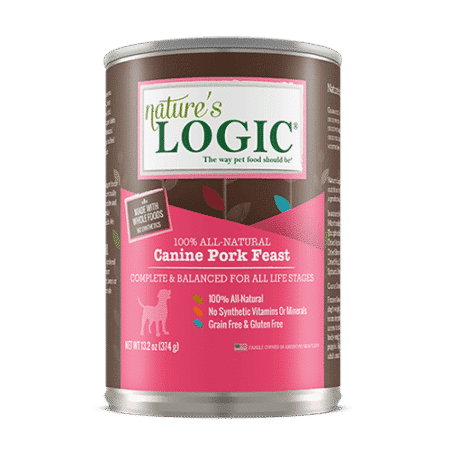
If you want to try our 100% natural Pork Meal Feast for your pet, find out where to buy Nature’s Logic!