Natural Kibble or Fresh Dog Food? What to Know and How to Switch

As pet owners grow more conscious of dog health and wellness, they are actively seeking out products claiming to offer better nutrition for their furry friends. In response, fresh dog food has become a growing trend. The numbers prove it: the global fresh dog food market was valued at $22.3 billion in 2023 and could grow by more than 50 percent over the next decade.
But is fresh dog food better than kibble? This article considers the fresh dog food vs kibble debate and offers tips on switching from a fresh diet to a kibble dog food alternative.
Kibble Vs Fresh Food: What’s the Difference?
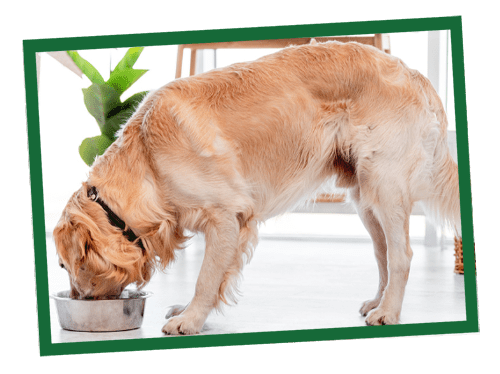
The “fresh dog food vs kibble” question can be confusing for pet parents because the two options appear so different. At first glance, fresh dog food can look a lot like a meal you would serve yourself, while very few of us would treat ourselves to a bowl of dry dog food.
Definitions over fresh dog food vary, and these products come in different forms. You can find some in the refrigerator aisle and others in the freezer, but the common thread is that they contain few or no preservatives and therefore need to be stored cold. Fresh dog food is always cooked and is therefore different to raw dog food, which comes with some supposed health benefits but also an increased risk of microbiological hazards.
Is fresh dog food better than kibble? The main differences between fresh food and kibble are the storage conditions and price tag. Nutritional benefits can vary between products, so it’s more important to focus on factors like protein content, nutrients, and the presence of chemical preservatives rather than whether the food is fresh or not.
How to Switch to Kibble
While the fresh food trend continues, many pet owners are starting to realize that the supposed benefits of fresh food don’t seem to correlate with the very high cost. In January 2024, Packaged Facts surveyed U.S. dog and cat owners, finding that 17% of dog owners had switched to a lower-priced national branded dog food in the previous 12 months, and 15% had changed to a lower-priced store-brand product. Some owners want to switch to kibble but are concerned that the change might harm their pup.
The good news is that high-quality kibble contains lots of the same ingredients as fresh preparations. If you’re concerned about nutrients, look for a kibble with high protein content, fruits and vegetables, and other nutrient-packed ingredients. You might want to avoid formulations with many synthetic vitamins and chemical preservatives.
The golden rule of changing your dog’s food is to start small and transition slowly. Changing a dog’s diet overnight can lead to gastrointestinal issues like vomiting, diarrhea, and a change in appetite, so it’s preferable to switch it up gradually over a course of seven to 10 days, introducing a larger percentage of kibble each day. If in doubt, consult your vet before making the change.
Mixing Fresh and Kibble
Mixing fresh dog food and kibble is a great option for those looking to compromise. As long as these products contain a balanced mix of macronutrients (add – i.e. protein, fat and carbohydrates). Combining the two can support your dog’s health (and your bank balance).
Many owners opt for a 50-50 mix of fresh and kibble, but you can also use just a small amount of fresh food as a topper. The only real risk of mixing fresh dog food and kibble is that your pup might simply prefer one type and eat around the other, but this can often be fixed by trying out different varieties and flavors.
If you’re looking for some specific benefits provided by raw dog food—some advocates say it’s great for dental hygiene, shiny coats, and digestion—you can also try mixing raw and kibble.
Find High-Quality Kibble Near You
The bottom line is that high-quality kibble provides the same [or better] nutritional benefits as fresh but at a lower cost and without the hassle.
Nature’s Logic provides healthy, nutrient-rich kibble in regular and grain-free varieties. Our vendors supply ingredients from either the USA, Europe or countries with stringent food safety practices such as New Zealand, Australia and Canada. Ingredients from these vendors never contain chemical preservatives, herbicides, or insecticides.
If you’re looking to switch from fresh to kibble (or combine the two), look for a trusted Nature’s Logic retailer in your location.